
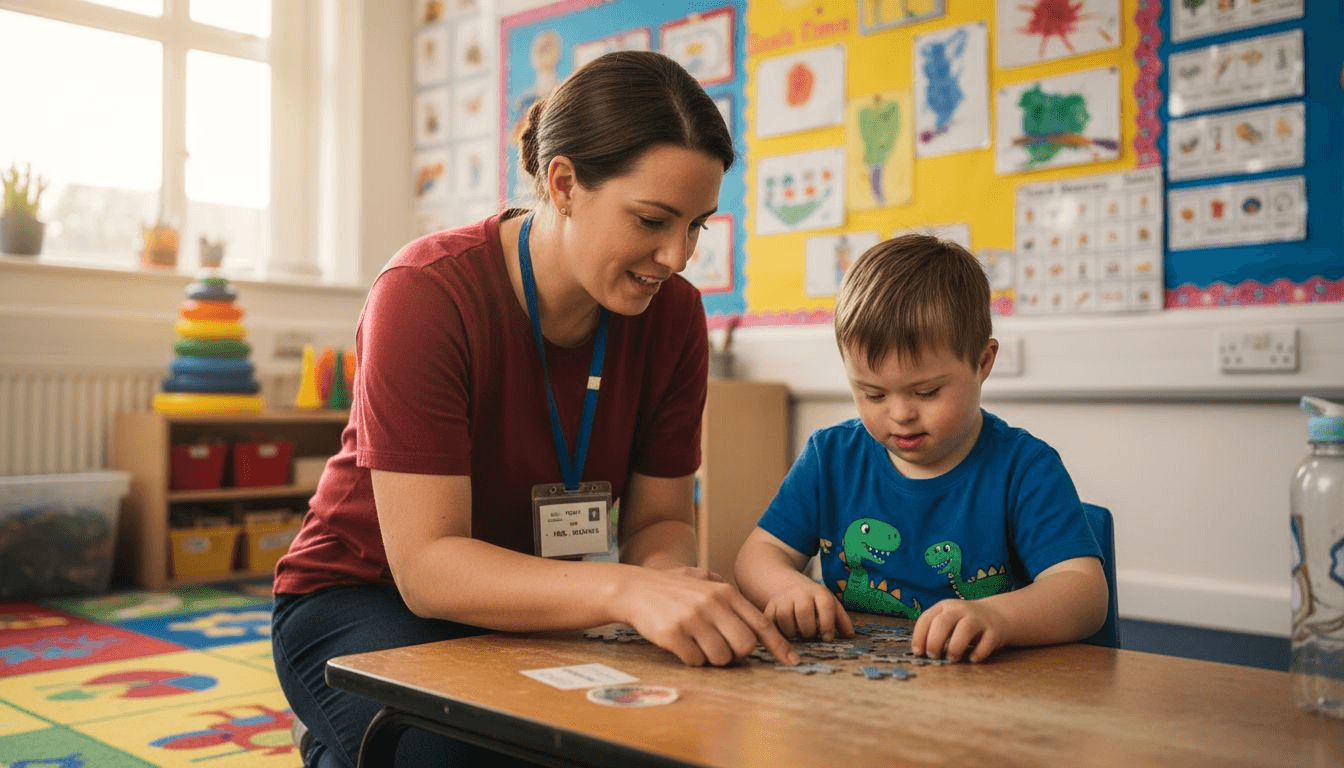
Specialised training reduces challenging behaviour in children with autism by over a third, yet many parents struggle to assess whether prospective carers possess the crucial skills their child needs. The right training transforms how carers support children with SEND, directly improving safety, communication, and developmental progress. This guide explains which training programmes matter most, how to verify credentials, and why continuous professional development ensures consistently high quality care for your child.
Table of Contents
- Introduction To Carer Training For Send Children
- Impact Of Training On Carer Skills And Confidence
- How Training Improves Child Development And Safety Outcomes
- Common Misconceptions About Carer Training
- Overview Of Recognised Training Programs For Send Carers In The Uk
- Practical Guidance For Parents: Evaluating And Selecting Trained Carers
- Importance Of Continuous Professional Development For Carers
- Conclusion: Empowering Parents Through Knowledge About Carer Training
- Find Specialist Carers Trained To Support Your Child's Send Needs
Key takeaways
| Point | Details |
|---|---|
| Training boosts carer confidence | Specialised programmes improve confidence and skills in managing complex SEND needs. |
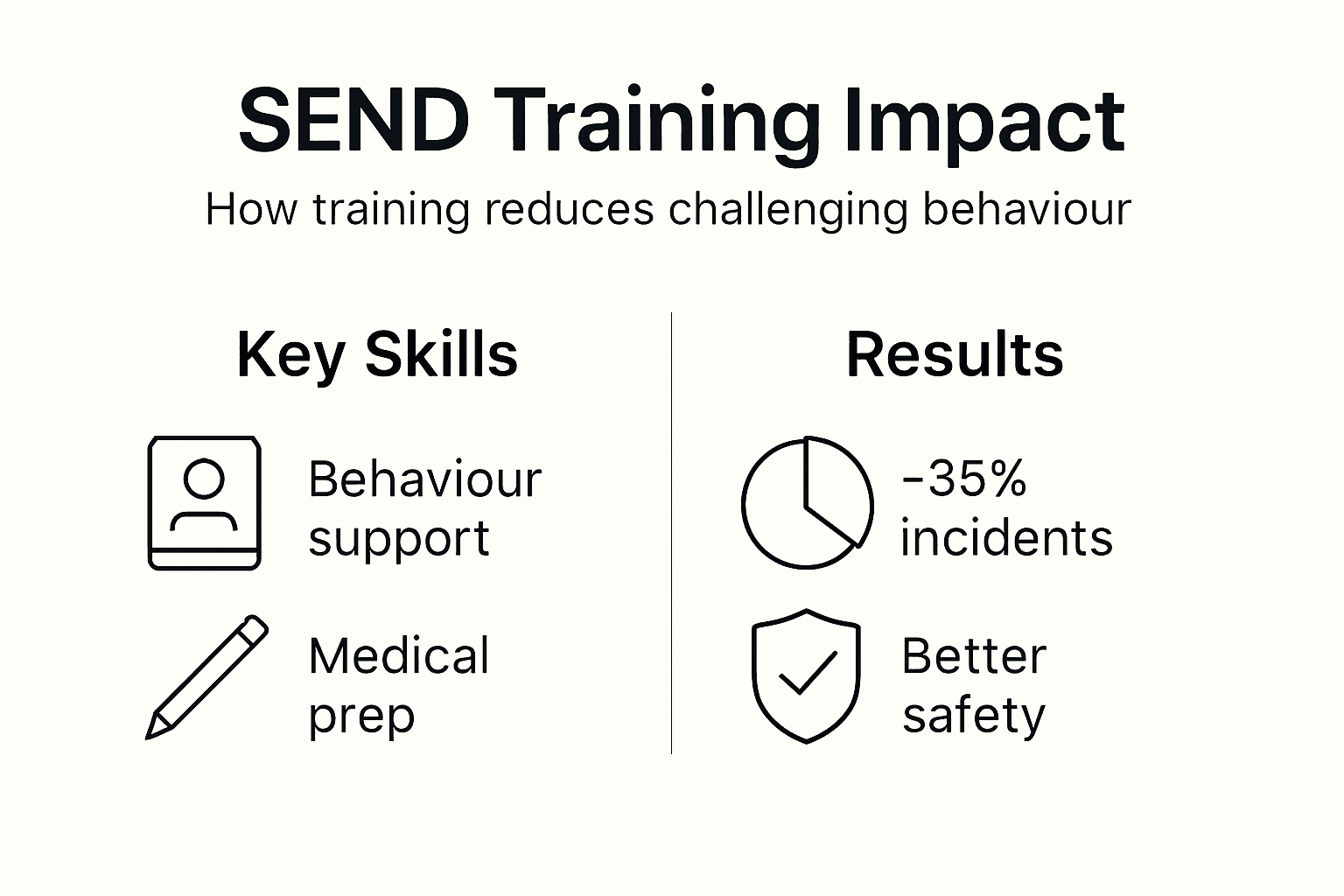
| Evidence shows measurable safety gains | Training reduces behavioural incidents by 35% and restraint use by 25%, protecting children from harm. |
| UK qualifications provide reliable standards | CACHE Level 2, NVQ, and specialist modules ensure carers meet recognised competency benchmarks. |
| Ongoing development maintains quality | Continuous professional development keeps carers updated on best practices as your child's needs evolve. |
| Parents can verify credentials | Ask targeted questions and use trusted platforms to confirm training documentation before hiring. |
Introduction to carer training for SEND children
Special Educational Needs and Disabilities (SEND) describes a range of conditions affecting learning, behaviour, or physical development. Common examples include autism spectrum disorder, attention deficit hyperactivity disorder (ADHD), epilepsy, cerebral palsy, and sensory processing difficulties. Children with SEND often require tailored support that goes far beyond typical childcare.
Carers working with SEND children must manage challenging behaviours, communicate using alternative methods, administer medications, respond to medical emergencies, and maintain safety during episodes of distress. These responsibilities demand specialised knowledge that general childcare training simply does not provide. Without proper preparation, carers may struggle to recognise warning signs, apply inconsistent approaches, or inadvertently escalate difficult situations.
Key challenges for untrained carers include:
- Misinterpreting behaviour triggers and applying ineffective responses
- Lacking confidence to handle medical emergencies like seizures
- Using outdated or harmful restraint techniques
- Failing to support communication needs for non-verbal children
- Missing opportunities to reinforce developmental goals
Formal training equips carers with SEND-specific skills grounded in evidence and best practice. Programmes cover positive behaviour support, communication strategies, medication administration, epilepsy management, and safeguarding. This preparation transforms carers from well-meaning helpers into skilled professionals who can genuinely enhance your child's wellbeing.
Impact of training on carer skills and confidence
Formal SEND training programmes cover behaviour management, communication techniques, medical care protocols, and emergency responses tailored to conditions like autism and epilepsy. These structured courses provide carers with practical tools and theoretical understanding that dramatically improve their ability to support children effectively.
Training improves carer confidence and skills in managing complex SEND needs, reducing stress and improving decision-making under pressure. Confident carers respond calmly during challenging moments, apply consistent strategies, and recognise when to seek additional support. This confidence directly translates to better outcomes for children, who thrive with predictable, skilled caregiving.
Examples of skills gained through training:
- Positive behaviour support techniques that prevent escalation
- Visual communication systems for non-verbal children
- Safe physical intervention methods that minimise restraint
- Recognition of seizure types and appropriate emergency responses
- Strategies to support sensory regulation and reduce meltdowns
Confidence correlates strongly with care consistency. Carers who feel equipped to handle difficulties maintain steadier routines, which children with SEND rely upon. Parents also report higher trust levels when carers can articulate how training shaped their approach.
Pro Tip: Ask prospective carers how specific training changed their approach to challenging situations and boosted their confidence working with SEND children.
Platforms offering specialist childcare and training programmes help parents identify carers with verified qualifications, ensuring you find professionals prepared for your child's unique needs.
How training improves child development and safety outcomes
Trained carers deliver measurable improvements in children's behaviour, safety, and developmental progress. Specialised training reduces challenging behaviour by 35% and restraint use by 25%, directly protecting children from physical and psychological harm. These statistics reflect real families experiencing fewer crises and greater peace of mind.
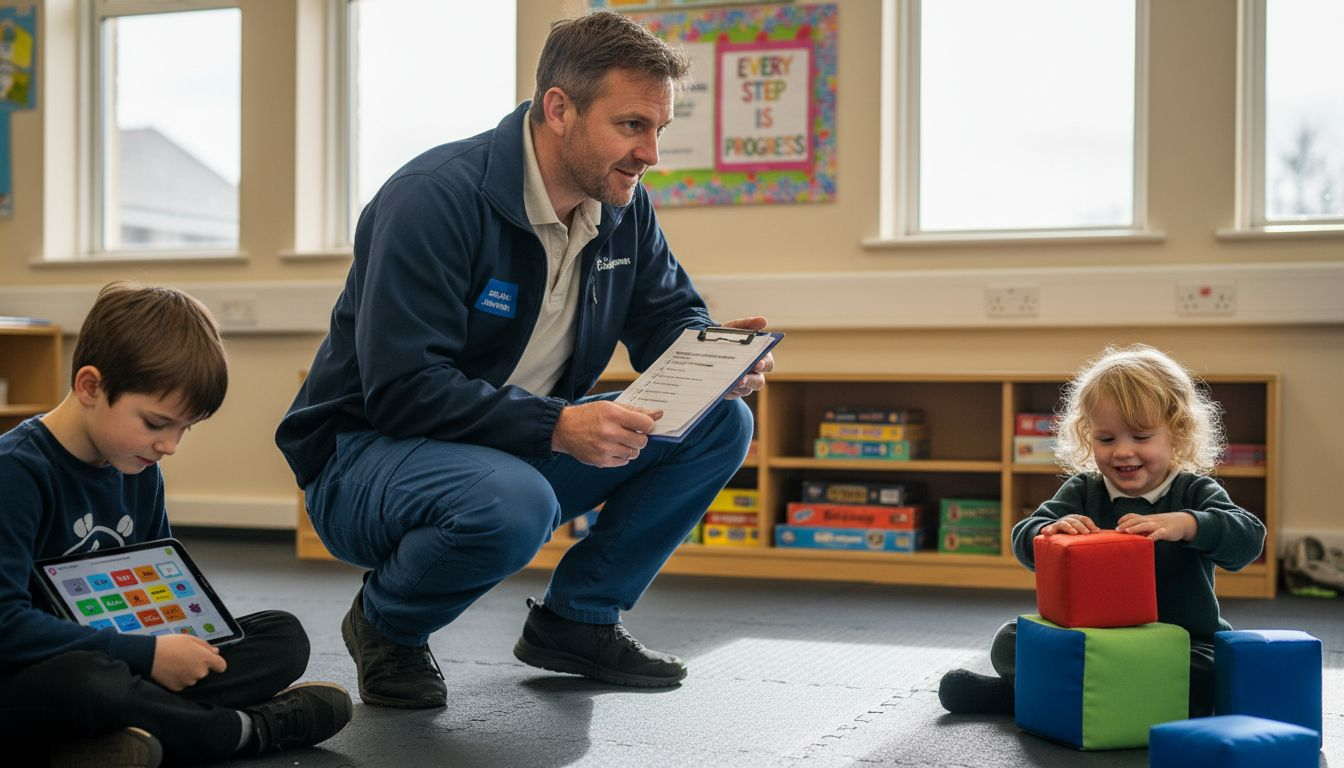
Positive behaviour support training teaches carers to identify triggers, implement preventative strategies, and respond therapeutically rather than reactively. This approach reduces the frequency and intensity of meltdowns, aggression, and self-injury. Children feel safer and more understood, which supports emotional regulation and social development.
Safer handling techniques minimise the need for physical restraint, which carries significant risks of injury and trauma. Trained carers use de-escalation strategies first and apply physical interventions only when absolutely necessary, following strict protocols that prioritise dignity and safety.
Medical emergency preparedness is critical for conditions like epilepsy. Carers trained in seizure recognition and response can administer rescue medication, position children safely, and communicate effectively with emergency services. This expertise can prevent serious complications or even save lives.
| Outcome area | Impact of training |
|---|---|
| Challenging behaviour incidents | Reduced by 35% |
| Use of physical restraint | Reduced by 25% |
| Carer confidence in emergencies | Increased significantly |
| Consistency of care approach | Improved across settings |
Developmental progress accelerates when carers understand how to reinforce therapy goals, support communication development, and create structured learning opportunities during daily activities. Trained carers become partners in your child's growth rather than passive supervisors.
Pro Tip: Always ask carers about specific training in positive behaviour support and emergency medical care relevant to your child's condition.
Common misconceptions about carer training
Many parents hold understandable but inaccurate beliefs about carer training that can hinder their ability to select the best support for their child. Addressing these myths helps you make informed decisions.
Myth: Life experience with SEND is enough for quality care. Whilst personal experience provides valuable insight, it does not replace formal training in evidence-based techniques. Training offers structured knowledge about diverse conditions, proven intervention strategies, and safeguarding protocols that experience alone cannot provide.
Myth: Caregiving skills can be learned informally on the job. Informal learning is valuable but inconsistent and potentially risky. Formal programmes deliver standardised, up-to-date training that improves measurable outcomes. Research shows trained carers achieve better results than those relying solely on trial and error.
Myth: Initial training is sufficient for a carer's entire career. SEND best practices evolve as research advances. Carers need ongoing professional development to stay current with new strategies, understand emerging conditions, and adapt to changing regulatory requirements. Static knowledge becomes outdated quickly in this field.
Key realities about training:
- Training is foundational but not a cure-all; it must combine with good communication and family partnership
- Even highly trained carers benefit from supervision and continuing education
- Training alone cannot guarantee perfect compatibility with every child and family
- Untrained carers pose higher risks of inconsistent care, safety incidents, and missed developmental opportunities
Understanding these realities helps you set appropriate expectations whilst prioritising carers with verified, current training credentials.
Overview of recognised training programs for SEND carers in the UK
Several formal qualifications provide reliable standards for SEND carer training across the UK. CACHE Level 2 Certificate in Understanding Autism and CACHE Level 3 Diploma in Specialist Support for Teaching and Learning in Schools are widely recognised credentials. National Vocational Qualifications (NVQ) in Health and Social Care at Levels 2 and 3 also demonstrate competency in SEND support.
Specialist modules focus on specific conditions and skills. Autism training covers communication differences, sensory sensitivities, and behaviour support tailored to autistic children. ADHD modules address attention difficulties, hyperactivity management, and executive function support. Epilepsy training teaches seizure recognition, emergency protocols, and medication administration.
Carers obtain these qualifications through accredited colleges, training providers, and employers offering apprenticeships. Certification requires completing coursework, practical assessments, and often supervised work placements. Maintaining certification may involve periodic renewal or continuing professional development hours.
Parents can verify training documentation by requesting copies of certificates, checking qualifications with issuing bodies, and confirming dates to ensure currency. Reputable recognised SEND training programmes include verification processes to give parents confidence.
| Programme | Focus areas | Certification body |
|---|---|---|
| CACHE Level 2 Understanding Autism | Autism spectrum communication, behaviour, sensory needs | NCFE/CACHE |
| NVQ Level 3 Health and Social Care | SEND support, safeguarding, personal care | Pearson, City & Guilds |
| Positive Behaviour Support Training | De-escalation, behaviour analysis, intervention | BILD, PBS Academy |
| Epilepsy Awareness Certification | Seizure types, emergency response, medication | Epilepsy Action, Young Epilepsy |
This comparison helps you identify relevant qualifications when assessing prospective carers for your child's specific needs.
Practical guidance for parents: evaluating and selecting trained carers
Selecting the right carer requires systematic evaluation of training credentials combined with assessment of personal fit. Follow this step-by-step checklist:
- Request copies of all training certificates and verify issue dates to confirm currency
- Check qualifications directly with certification bodies if any doubt exists
- Ask about continuous professional development completed in the past year
- Confirm training specifically matches your child's condition (autism, ADHD, epilepsy, etc.)
- Review references from previous families with similar SEND needs
Key questions to ask prospective carers:
- Which formal SEND qualifications do you hold and when did you complete them?
- Describe a challenging situation with a SEND child and how your training helped you respond
- What continuing professional development have you undertaken recently?
- How do you apply positive behaviour support principles in daily care?
- What emergency medical training do you have relevant to my child's condition?
Ensuring training relevance to your child's specific needs is crucial. A carer with excellent autism training may lack preparation for managing epilepsy or physical disabilities. Prioritise carers whose credentials directly address your child's primary challenges.
Using trusted platforms like SENCARE provides independent verification of credentials, saving you time and reducing risk. These platforms conduct background checks and confirm qualifications before listing carers.
Balance training credentials with family compatibility. The most qualified carer will struggle if communication styles clash or your child feels uncomfortable. Arrange trial sessions to assess practical fit alongside reviewing qualifications.
Importance of continuous professional development for carers
Continuous professional development (CPD) ensures carers stay updated on the latest evidence-based practices and regulatory changes affecting SEND care. Initial training provides a foundation, but the field evolves rapidly as research uncovers new strategies and understanding deepens.
CPD leads to measurable improvements in care quality. Studies indicate carers engaged in ongoing development deliver approximately 15% better outcomes annually compared to those relying solely on initial training. This improvement reflects both updated knowledge and renewed enthusiasm for applying best practices.
Examples of valuable CPD activities:
- Refresher courses in positive behaviour support and physical intervention
- Specialist workshops on emerging conditions or new therapeutic approaches
- Peer learning groups where carers share challenges and solutions
- Online modules covering updated safeguarding regulations or medication protocols
- Attendance at SEND conferences and professional seminars
Parents should actively check carers' commitment to ongoing training during the selection process and periodically afterwards. Ask about recent courses completed and plans for future development. Carers who prioritise CPD demonstrate professional dedication and adaptability.
CPD supports adaptation to your child's evolving needs. As children grow, their challenges change. A carer equipped with current knowledge can adjust strategies to support new developmental stages, emerging behaviours, and changing communication abilities. This flexibility prevents care quality from stagnating over time.
Conclusion: empowering parents through knowledge about carer training
Training equips carers to genuinely support your child's development, safety, and wellbeing rather than simply supervising. Prioritising carers with verified qualifications and ongoing professional development leads to measurable benefits including reduced challenging behaviours, fewer safety incidents, and accelerated developmental progress. Armed with knowledge about which training matters and how to verify credentials, you can make confident, informed choices that transform your child's care experience.
Find specialist carers trained to support your child's SEND needs
Applying what you have learned means connecting with carers who possess the verified training and ongoing development your child deserves. SENCARE offers access to professionally trained carers holding UK-recognised qualifications in autism, ADHD, epilepsy, and other SEND conditions. The platform independently verifies credentials, conducts enhanced background checks, and allows you to search for carers specialising in your child's specific needs.
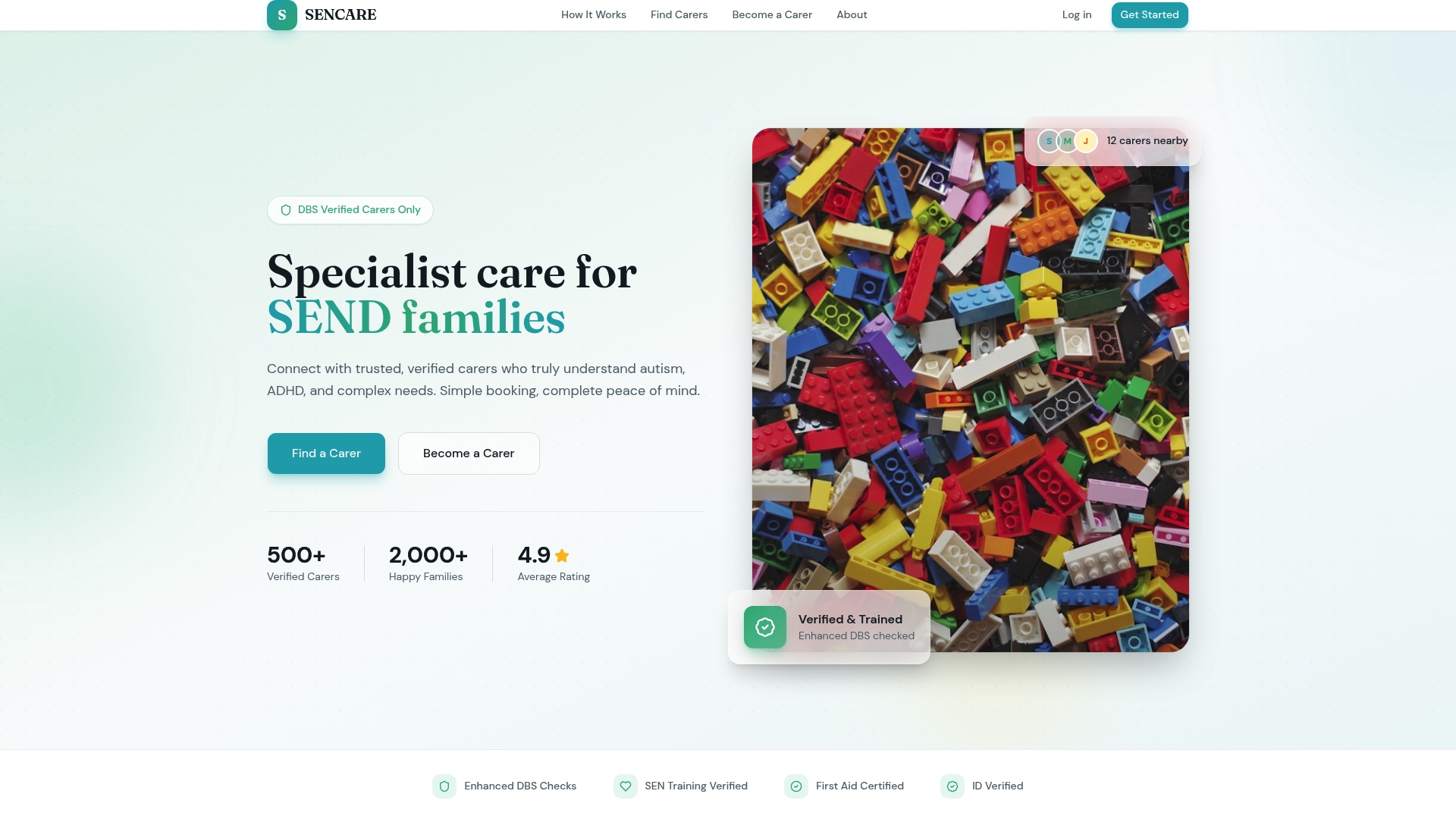
Using SENCARE specialist carers helps you confidently find skilled professionals matched to your child's unique requirements, giving you peace of mind that training credentials have been thoroughly checked and carers maintain current best practice knowledge.
Frequently asked questions
What specific training should carers have for children with SEND?
Carers should hold recognised UK qualifications such as CACHE Level 2 in Understanding Autism or NVQ Level 3 in Health and Social Care with SEND specialisms. Training must cover positive behaviour support, communication strategies tailored to conditions like autism or ADHD, and medical emergency responses relevant to your child's needs, such as epilepsy management or administration of rescue medications.
How can I verify a carer's training credentials and continuous development?
Request original certificates and confirm qualifications directly with issuing bodies like NCFE, Pearson, or specialist organisations. Check completion dates to ensure training remains current. Use trusted platforms like SENCARE that independently verify credentials through comprehensive checks, saving you time whilst ensuring accuracy and protecting your family.
Does formal training guarantee perfect care for my child?
Training is essential but not a guarantee of perfect care. Effective support combines verified qualifications with personal compatibility, strong communication between carer and family, and continuous review of what works for your specific child. Regular feedback, trial periods, and ongoing dialogue ensure training translates into practical, responsive care that adapts as your child grows.
Why is ongoing professional development important for carers of SEND children?
Ongoing development keeps carers updated on evolving best practices and emerging research in SEND care. CPD improves care outcomes annually by about 15% compared to carers relying solely on initial training. Regular professional development helps carers adapt to your child's changing needs, apply new therapeutic approaches, and maintain compliance with updated regulations, ensuring consistently high quality support over time.